Why Europe Needs Domestic Lithium And Why It's Harder Than You Think
Europe needs a domestic lithium supply, but building it is far more complex than it seems. From geology to processing, the real challenges go far beyond mining.
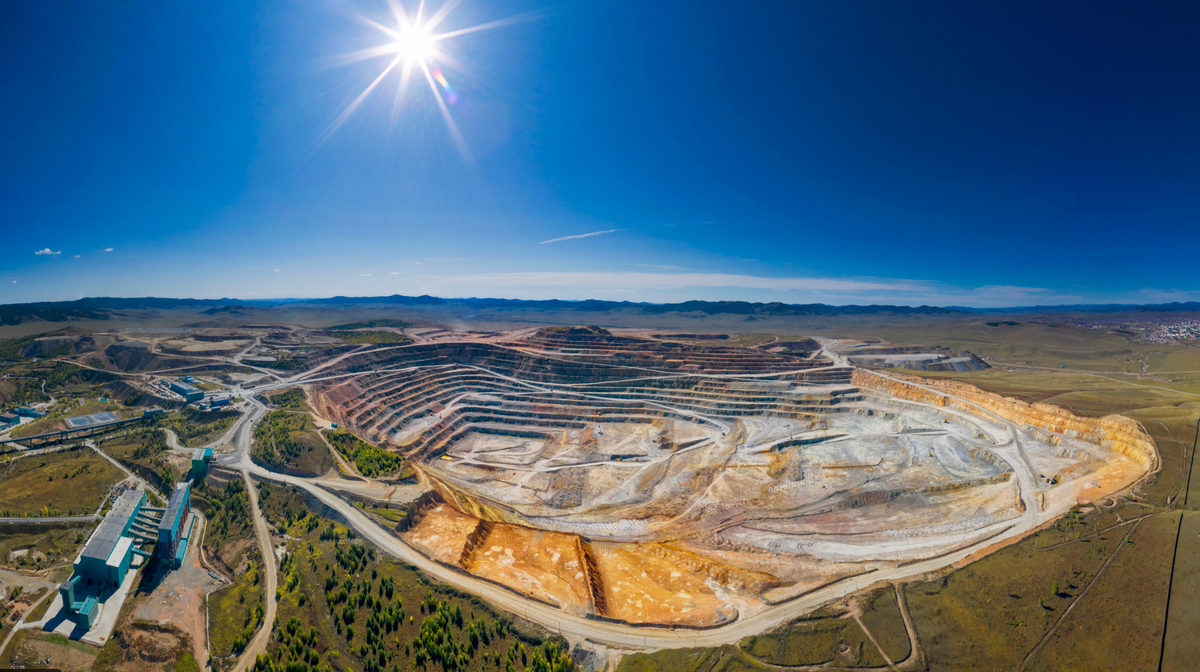
Europe's move toward securing a domestic lithium supply is driven by the urgent need to decarbonize its economy and protect its industrial future, but the path is complicated by the nature of European lithium deposits and the high environmental standards required by its citizens.
WHY EUROPE NEEDS ITS OWN LITHIUM
- Strategic Autonomy and Supply Security
Lithium is essential for the transition to renewable energy and is the "fuel" for the electric vehicle (EV) revolution. In 2020, lithium was added to the EU's Critical Raw Materials (CRM) list due to its high economic importance and the supply risks associated with heavy dependence on imports. Currently, the market is highly concentrated: Australia, Chile, and China generate most of the world's lithium.
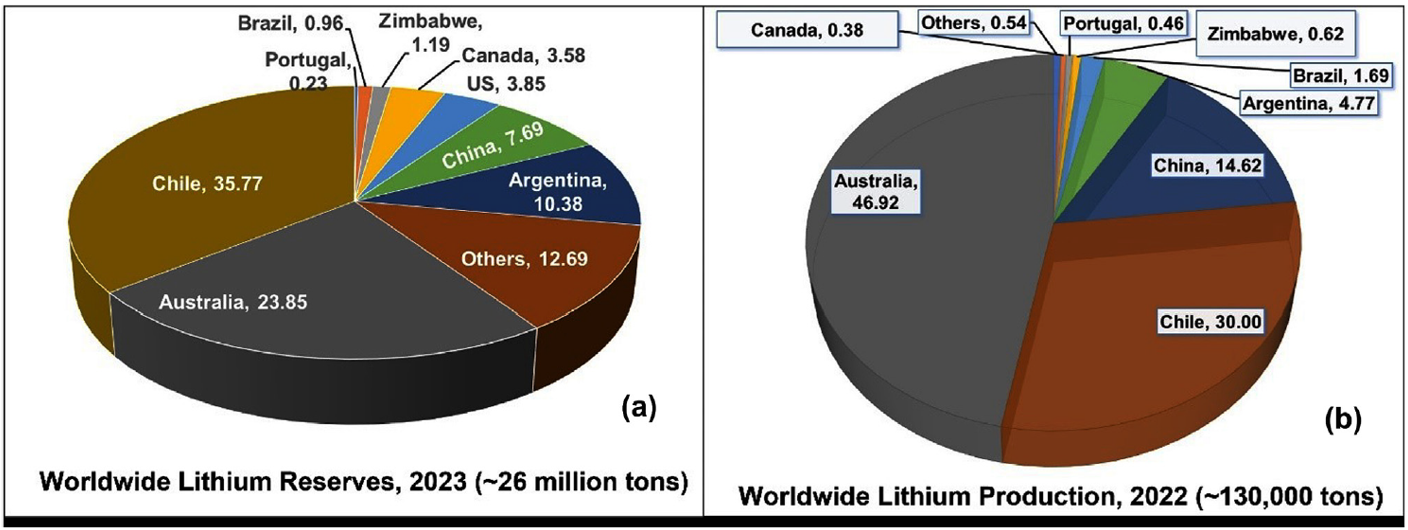
Relying on this limited supply chain leaves Europe vulnerable to geopolitical risks and monopolies.
- Legislative Mandates for Electrification
Europe has set aggressive targets for the phaseout of internal combustion engine vehicles (ICEVs), with a ban on new petrol and diesel car sales scheduled across the EU for 2035 (and as early as 2030 in the UK). These mandates are expected to drive an eightfold rise in lithium demand by 2040. Without domestic production, Europe faces a growing deficit that could stall its green energy transition.
- Environmental Integrity and Social Standards
Shipping lithium concentrates halfway around the globe for processing, primarily to China, carries a significant carbon footprint. Establishing a domestic "mine-to-battery" supply chain allows Europe to enforce its own high environmental and labor standards, supporting the concept of a circular economy and "green" lithium production.
WHY IS IT HARDER THAN WE THINK
The "Hard Rock" Penalty
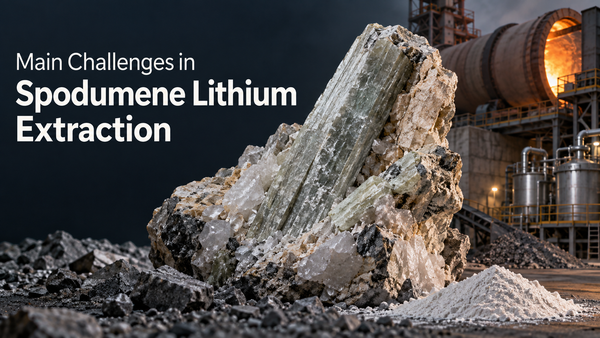
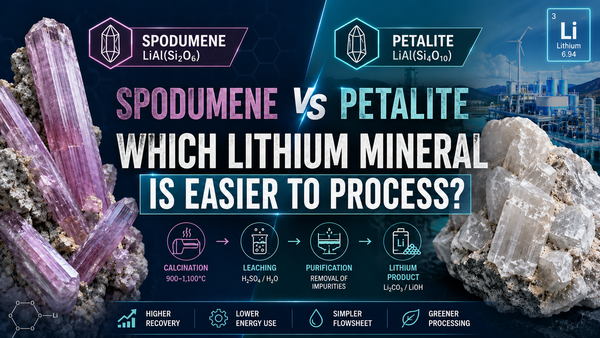
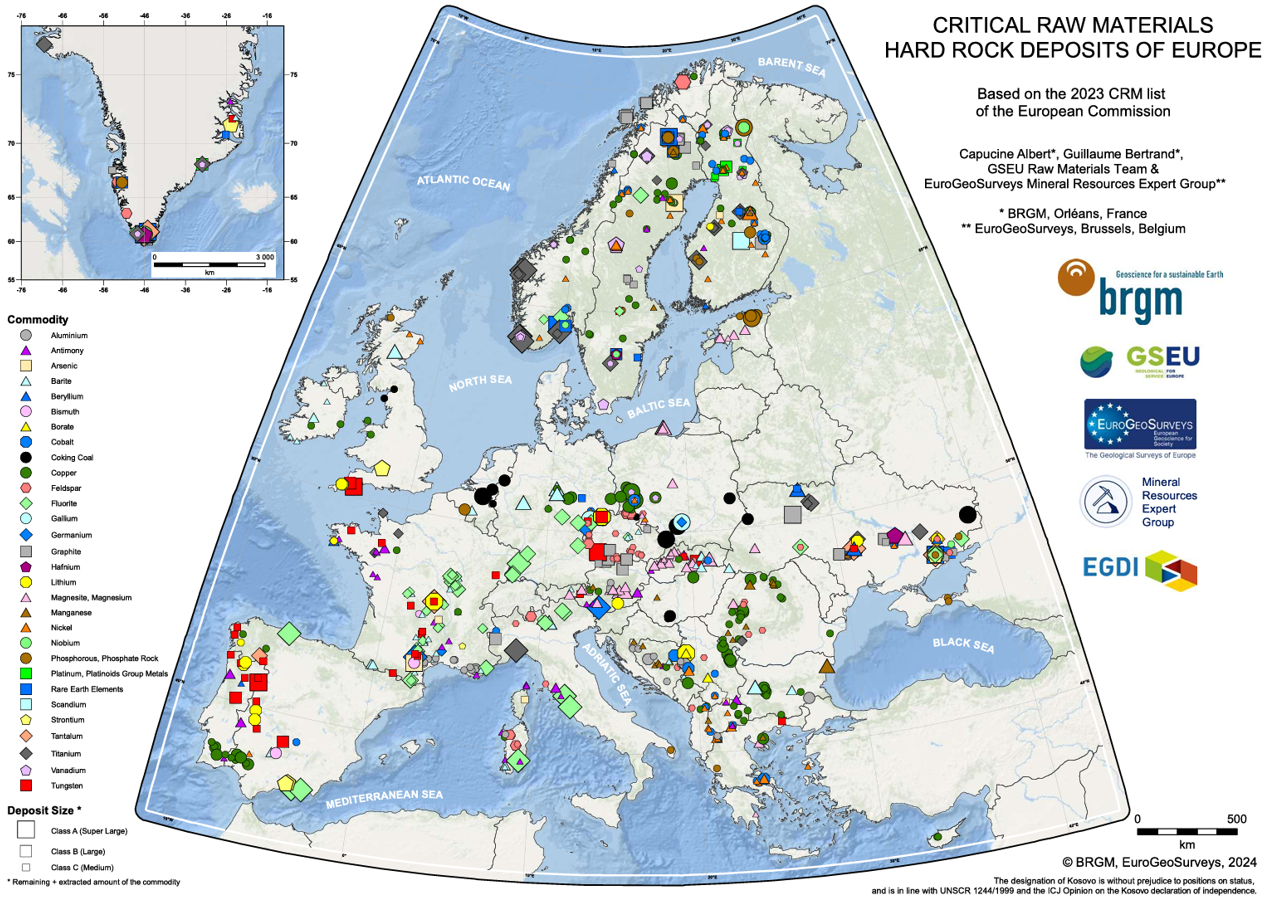
The most abundant lithium resources globally are brines, which are cheaper to process using solar evaporation. However, European lithium is primarily found in hard-rock pegmatites (like spodumene and petalite) or micas (like zinnwaldite).
- The Alpha-Phase Bottleneck: Natural spodumene exists in a "refractory" alpha-phase, which is chemically inert and compact.
- Energy intensity: To make it reactive, the ore must be roasted at 1100 °C to transform it into beta-spodumene. This step alone makes lithium from hard rock nearly three times more carbon-intensive than lithium from brines.
- Massive Waste Generation
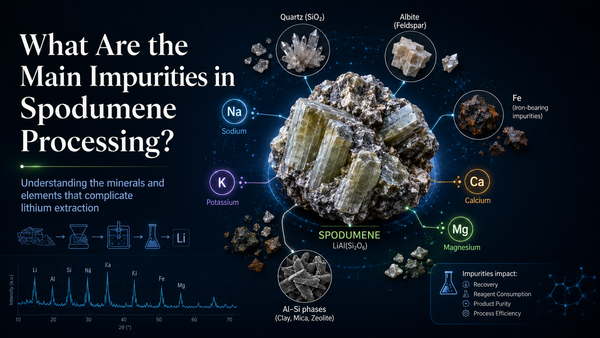
Traditional lithium extraction from minerals is inefficient in terms of mass. Only about 6% of the total extracted compounds are lithium. The remaining 94% becomes waste. Spodumene mining generates eight times more solid waste than brine-based extraction. Managing millions of tons of acidic aluminosilicate residues is a major environmental and logistical challenge for European projects.
- Social Resistance and Geography
Unlike the remote salt flats of the Andes or the vast outback of Western Australia, European lithium deposits are often located in densely populated areas or near historic communities. This proximity increases public concerns over water scarcity (mining requires up to 2 million liters of water per ton of lithium) and potential contamination of local groundwater with heavy metals or toxic reagents like sulfuric acid.
- The Recycling Gap
While recycling spent batteries is seen as a secondary source, Europe's infrastructure is currently lacking. As of 2023, China holds over 80% of global battery recycling capacity, while Europe is technologically harder to recover cobalt or nickel, and lithium has historically been overlooked in many recycling processes.
European Projects
To overcome these hurdles, several projects are testing innovative, lower-impact technologies:
- Keliber Project (Finland): Implementing a high-pressure sodium carbonate leaching process (Metso-Outotec) to produce battery-grade lithium hydroxide while avoiding strong acids.
- Cinovec (Czech/German Border): Europe's largest hard-rock deposit, which is exploring direct carbonation methods to mobilize lithium from zinnwaldite selectively.
- Portugal (Borroso-Alvao): Focusing on advanced mineral processing to secure supply for the European battery market.
It is essential to secure the European supply chain for lithium and critical materials if Europe wants to run the race with the competition, especially in EVs. Still, due to the boundaries mentioned, things go very slowly.
Do you think Europe can realistically build a competitive lithium processing industry before Chinese supply chain dominance becomes permanent? I'd be curious to hear from people working in the field.
Follow for more insights on lithium, hydrometallurgy, and critical raw materials.